
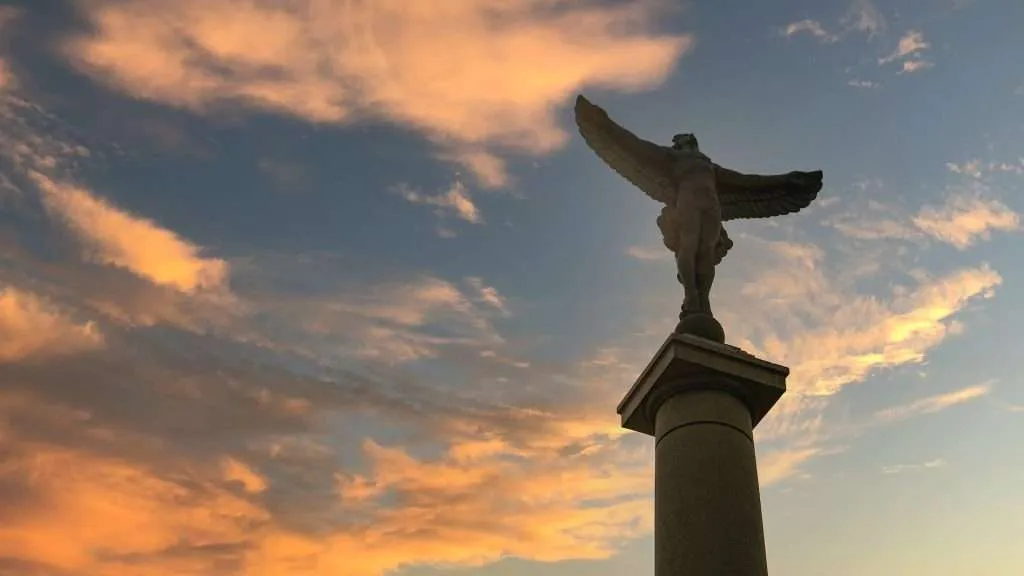
Historical memorial monuments are precious gateways to the past, honouring the lives and stories of generations who came before us. These timeless tributes bear witness to our shared history, bearing the imprint of the individuals who shaped our world in countless ways. As these monuments age, they become invaluable testaments to our cultural, social, and personal heritage, requiring diligent care and attention to ensure their preservation for the generations that follow.
At GRI Memorials, we understand the profound responsibility that comes with the task of preserving and conserving historical memorial monuments. Our mission extends beyond the creation of new timeless monuments, encompassing a deep commitment to help maintain the enduring legacies of those who have passed. We believe that by preserving these remarkable tributes, we can keep their histories alive, allowing us to continue learning from and honouring the individuals they commemorate.
In this blog, we will explore the critical guidelines and best practices for the conservation and preservation of historical memorial monuments. We will discuss essential steps such as assessing the monument’s current condition, employing appropriate cleaning and repair techniques, and developing maintenance plans that ensure their lasting beauty and integrity. Join us as we celebrate the rich history held within these monuments, and find inspiration in the responsibility we share to care for and protect these invaluable links to our past.
Assessing the Condition of Historical Memorial Monuments
The first step in conserving and preserving historical memorial monuments is to assess their current condition and identify potential areas of concern. This involves conducting a thorough visual inspection and, if necessary, consulting with experts in the field of monument preservation.
- Structural Integrity: Examine the monument for signs of instability or damage, such as cracks, fissures, or shifting in the stone, which could potentially lead to more significant structural issues if left unaddressed.
- Surface Degradation: Identify areas of discoloration, staining, or efflorescence, which can indicate the presence of damaging moisture or inappropriate cleaning methods used in the past.
- Biological Growth: Look for evidence of organic growth, such as lichens, moss, or mould, which can damage the stone surface and contribute to further deterioration.
- Vandalism and Graffiti: Document any instances of vandalism or graffiti, as removing these marks may require specialized cleaning techniques to avoid causing additional damage to the monument.
Employing Appropriate Cleaning and Repair Techniques
Once the condition of the monument has been assessed, it is crucial to employ appropriate cleaning and repair techniques that will not cause further damage to the monument or compromise its historical integrity.
- Gentle Cleaning Methods: Use non-abrasive, non-chemical methods such as gentle water misting, soft brushes, or microfiber cloths to remove loose dirt and debris from the monument, avoiding damage to delicate surfaces.
- Biocidal Treatments: Apply biocidal treatments to combat biological growth, ensuring that these products are compatible with the stone material and do not introduce harmful chemicals that could cause further damage.
- Repairing Damage: Consult with an expert in monument preservation and stonemasonry when addressing more severe structural or surface issues, ensuring that the repair materials and techniques used are appropriate and in line with conservation guidelines.
- Graffiti Removal: Carefully remove any graffiti or vandalism, using specialized cleaning products designed specifically for stone monuments and consulting with preservation experts for guidance on the safest and most effective techniques.
Developing a Maintenance Plan to Ensure Long-Term Preservation
To ensure the lasting preservation of historical memorial monuments, it is essential to develop and implement a regular maintenance plan, addressing both the monument itself and the surrounding environment.
- Routine Inspections: Schedule regular visual inspections to monitor the monument’s condition and identify any new areas of concern, addressing them before they develop into more significant issues.
- Environmental Management: Develop a plan for managing the area surrounding the monument, addressing issues such as vegetation control, drainage, and seasonal fluctuations in temperature and precipitation, which can contribute to the monument’s degradation.
- Maintenance Records: Keep detailed records of all inspections, cleaning, and repair work conducted on the monument, providing a valuable resource for future preservation efforts and ensuring that all maintenance activities are tracked and documented.
- Stakeholder Engagement: Involve local community members, family members, or other stakeholders in the maintenance plan, keeping them informed about the monument’s ongoing preservation needs and fostering a sense of shared responsibility for the monument’s long-term care.
Educating the Public About Memorial Monument Conservation
In addition to implementing best practices for monument conservation and preservation, it is vital to engage with the public and share the importance of these efforts, promoting awareness, and fostering respect for the historical and cultural significance of these monuments.
- Interpretative Signage: Install informative signage near the monument to educate visitors about its history, significance, and the conservation efforts undertaken to preserve it, emphasizing the importance of these caretaking measures.
- Guided Tours and Workshops: Offer guided tours and workshops focused on the history and preservation of historical memorial monuments, encouraging community members and visitors to learn more and become more engaged in the process.
- Public Outreach: Utilize local media, social media, and community events to promote awareness and understanding of monument preservation initiatives, sharing stories of the monuments themselves and the people they commemorate.
- Collaboration with Educational Institutions: Partner with local schools and universities to develop educational programs and research projects related to the history and preservation of memorial monuments, fostering a deeper connection and commitment to these invaluable links to our past.
Conclusion:
Historical memorial monuments provide us with invaluable insights into the lives and stories of those who came before us, offering a direct connection to our shared past. By taking the time to assess their condition, employing appropriate cleaning and repair techniques, developing and implementing a robust maintenance plan, and engaging with the public to share the importance of conservation efforts, we can ensure that these timeless tributes remain intact and accessible for future generations.
At GRI Memorials, we are dedicated to honouring the memories of those who have passed and preserving their legacies for generations to come. Through our passion and expertise in the field of monument conservation and preservation, we strive to uphold the responsibility entrusted to us by families and communities alike, caring for and protecting these invaluable pieces of our shared history. Contact us today to learn more about our conservation and preservation services!